
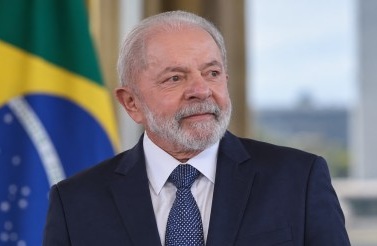
Amidst a global backdrop of increasing criticism of multilateral institutions, Brazilian President Luiz Inácio Lula da Silva took the stage at the United Nations General Assembly to advocate for stronger international cooperation and to voice opposition to foreign interference in Brazil and Latin America. His address comes at a time when geopolitical tensions and regional autonomy are at the forefront of international discourse.
Lula’s speech highlighted his concerns about the current state of the United Nations, specifically pointing out the perceived inefficacy of the UN Security Council in addressing global crises. He argued that this inability to act decisively has exacerbated ongoing conflicts and contributed to global instability. His call for enhanced multilateralism underscores the need for cohesive international efforts to address and prevent wars.
Turning his attention to the Middle East, Lula openly criticized Israel’s military actions in Gaza, condemning the violence that has resulted in civilian casualties, including women and children. His remarks reflect a broader concern with human rights and the impacts of military interventions on innocent lives.
In a firm assertion of regional sovereignty, Lula rejected any form of external interference in Latin American affairs, emphasizing Brazil’s sovereignty and its right to forge its own political and economic future. “Brazil does not fit in anyone’s backyard,” Lula declared, underscoring the importance of partnerships that prioritize development and regional integration over external influence.
Specifically addressing the situation in Venezuela, Lula defended the principle that its people should determine their own political fate, free from interventions driven by foreign strategic interests. This stance is particularly relevant in the context of ongoing tensions between Brazil and the United States, marked by trade disputes and differing policy approaches.
Having a long history with the UN General Assembly, Lula’s return to the international podium serves as a reminder of his enduring commitment to multilateral dialogue. His speech not only reflects Brazil’s stance on pressing international issues but also reinforces his vision of a more autonomous and cooperative Latin America.