
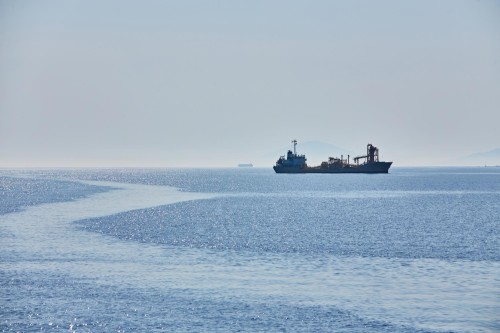
A Russian tanker named Universal, laden with 270,000 barrels of diesel fuel, set sail from Russia in April, destined for Cuba. However, after drifting for weeks in the Sargasso Sea, northeast of the Caribbean, the ship altered its course towards Brazil, according to maritime tracking information. Initially expected to alleviate Cuba’s ongoing fuel shortages, the tanker’s journey took an unexpected turn as its listed destination was updated to “For order,” indicating the vessel was awaiting new instructions or a final destination.
The Universal is subject to sanctions from several Western countries, including the United States, the European Union, Britain, Switzerland, and Canada. After leaving the Russian port of Vistino in early April, the tanker was reportedly escorted by Russian naval vessels through parts of its voyage before entering the Atlantic Ocean. Cuba, meanwhile, continues to grapple with severe fuel shortages and recurring electricity blackouts, exacerbating the need for consistent fuel imports.
Amid intensifying pressure on its fuel supplies, Cuba has only managed to receive oil deliveries from one Russian tanker this year, which proceeded after gaining authorization. The depletion of those supplies has further strained the island’s energy resources. As Cuba faces these challenges, the United States has maintained its economic pressure, urging Havana to undertake political and economic reforms.
Relations between Washington and Havana have been further strained by recent developments, including U.S. legal action against former Cuban leader Raúl Castro over the 1996 incident involving the shootdown of aircraft from the humanitarian group Brothers to the Rescue. Additionally, the U.S. has recently deployed the USS Nimitz aircraft carrier and its strike group to the region, signifying heightened tensions.